When Huma first came across The Black House, it wasn’t, in fact, black, and was almost entirely uninhabitable. Kitchen counters were held together with duct tape, tiles were falling off the bathroom walls, and years of neglect had stripped the building of its warmth.
Though the house was crying out for love, colour and attention, it was impossible not to see its promise. The large windows at both the front and the back filled the house with soft, natural light, and instantly reminded Huma of the airy, black-clad summer houses she loved so much in Denmark—her favourite place–and a quiet inspiration for everything that followed.
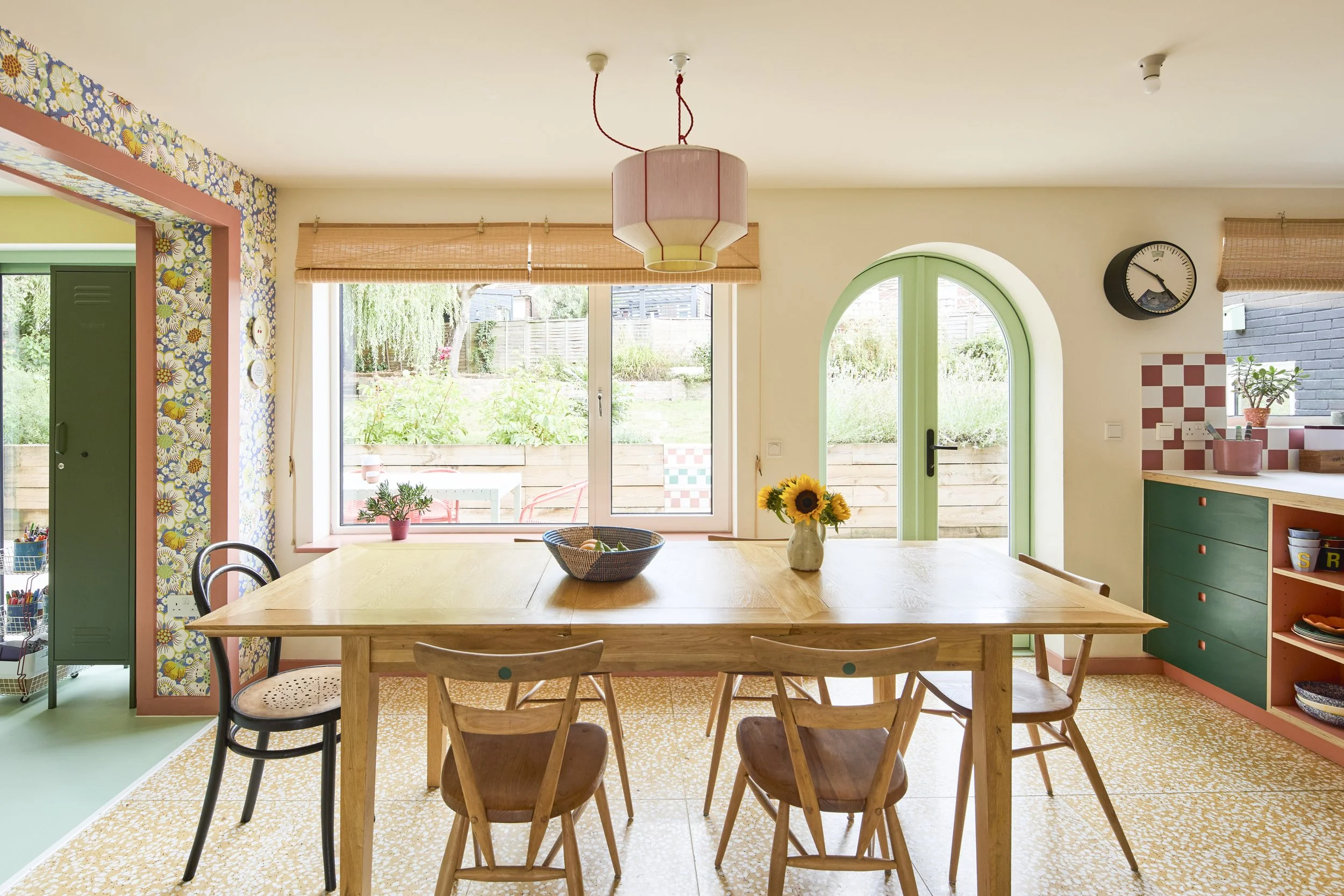
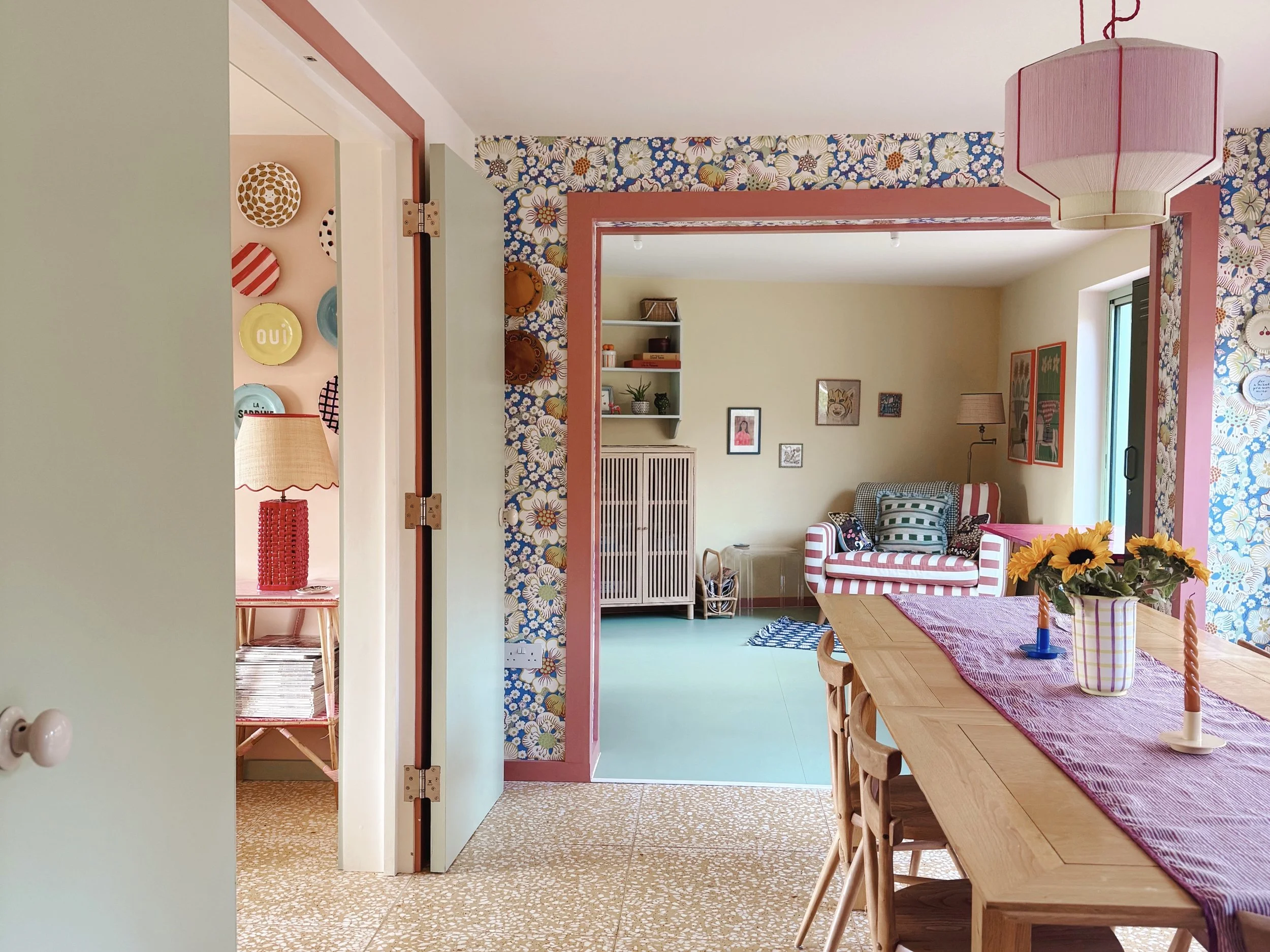
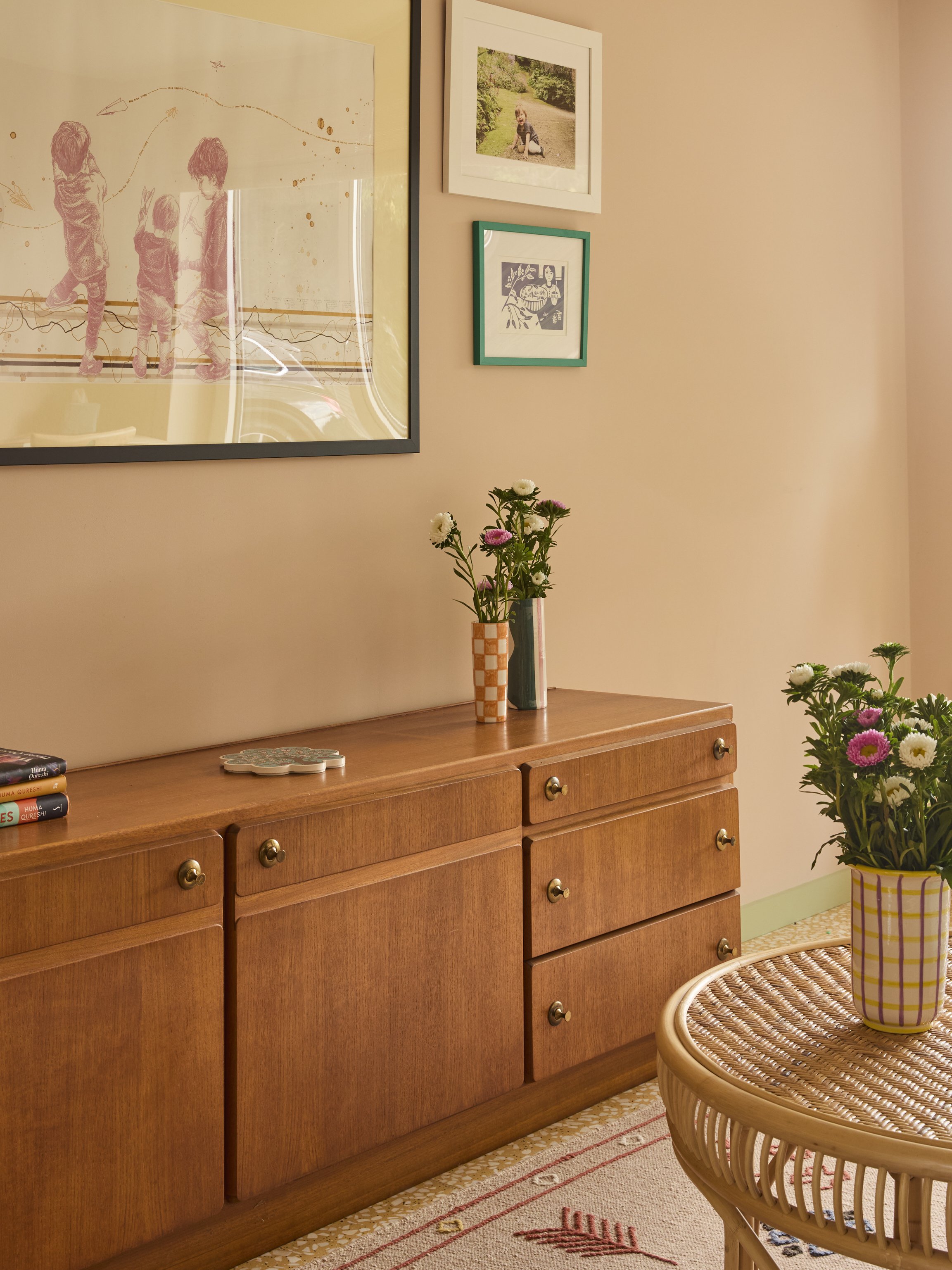
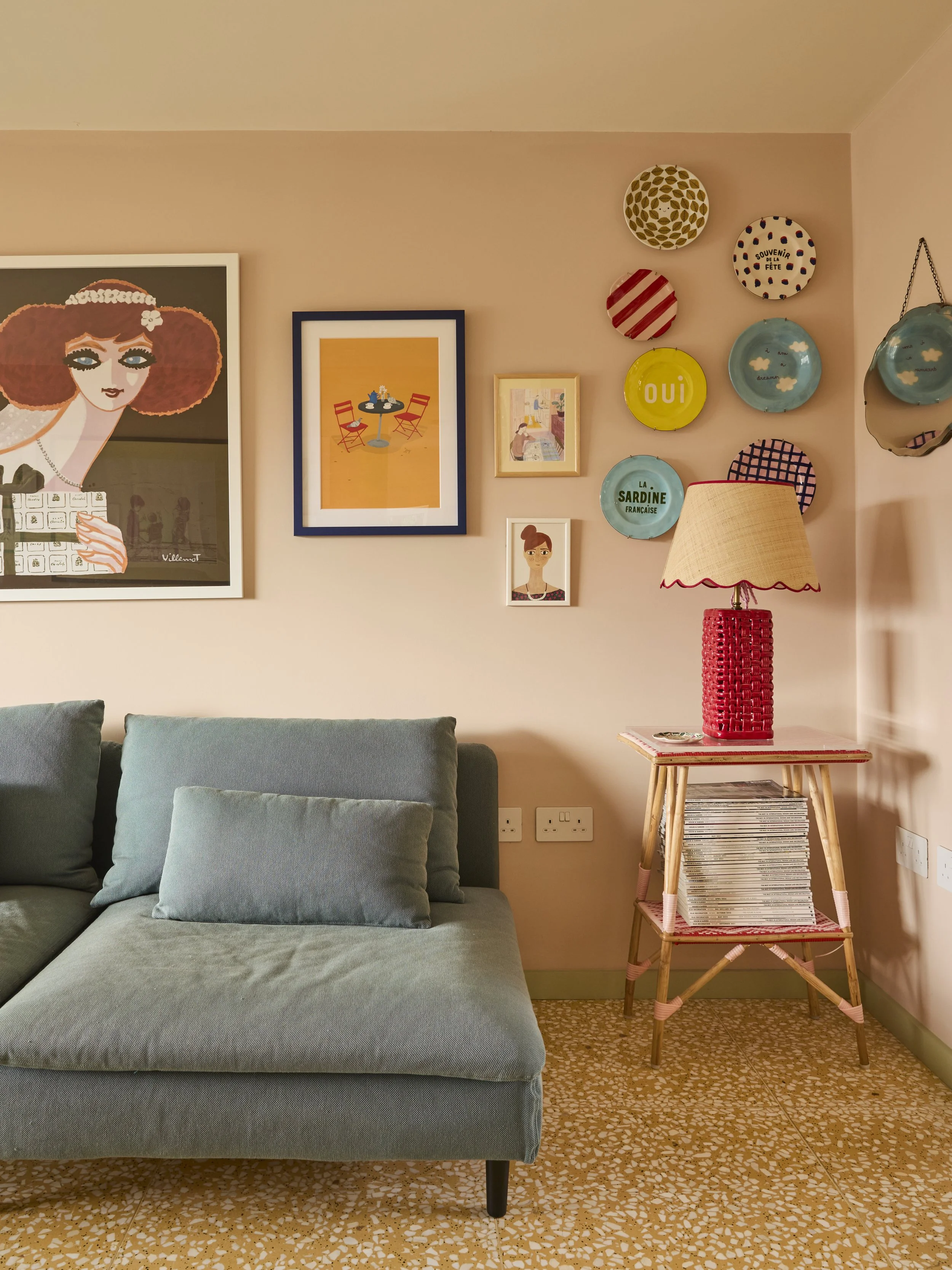
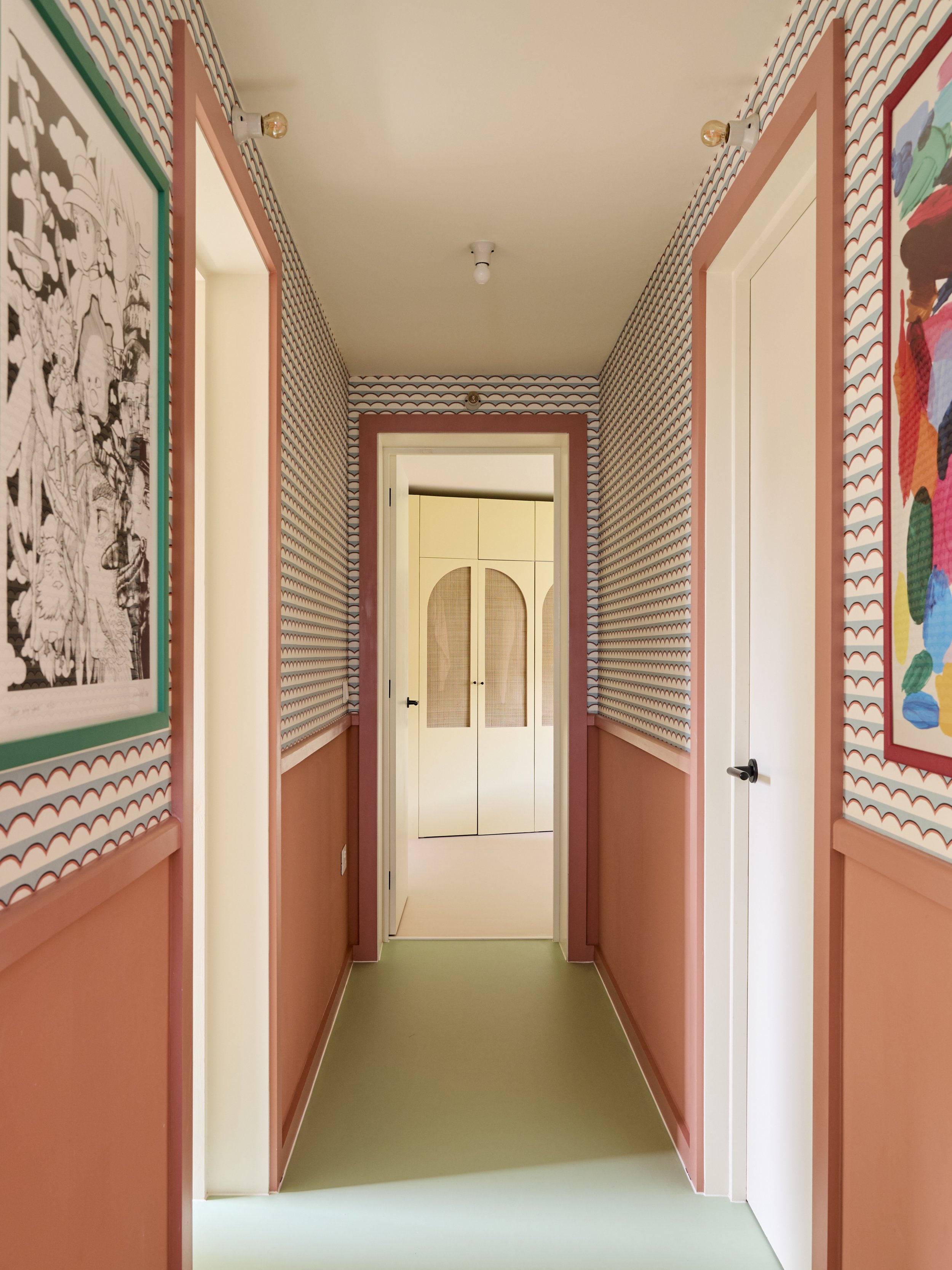
Originally built in 1960, the house hid mid-century optimism beneath its tired shell. Huma set out to honour the building’s heritage in the renovation. Subtle sixties references now run throughout: chequerboard tiles inspired by the original tiling, yellow terrazzo floors, arched doorways and patterned wallpapers that add depth and offer a playful spin on the bold designs of the sixties. These touches don’t imitate the past; they reinterpret it with affection and intent.
The Black House
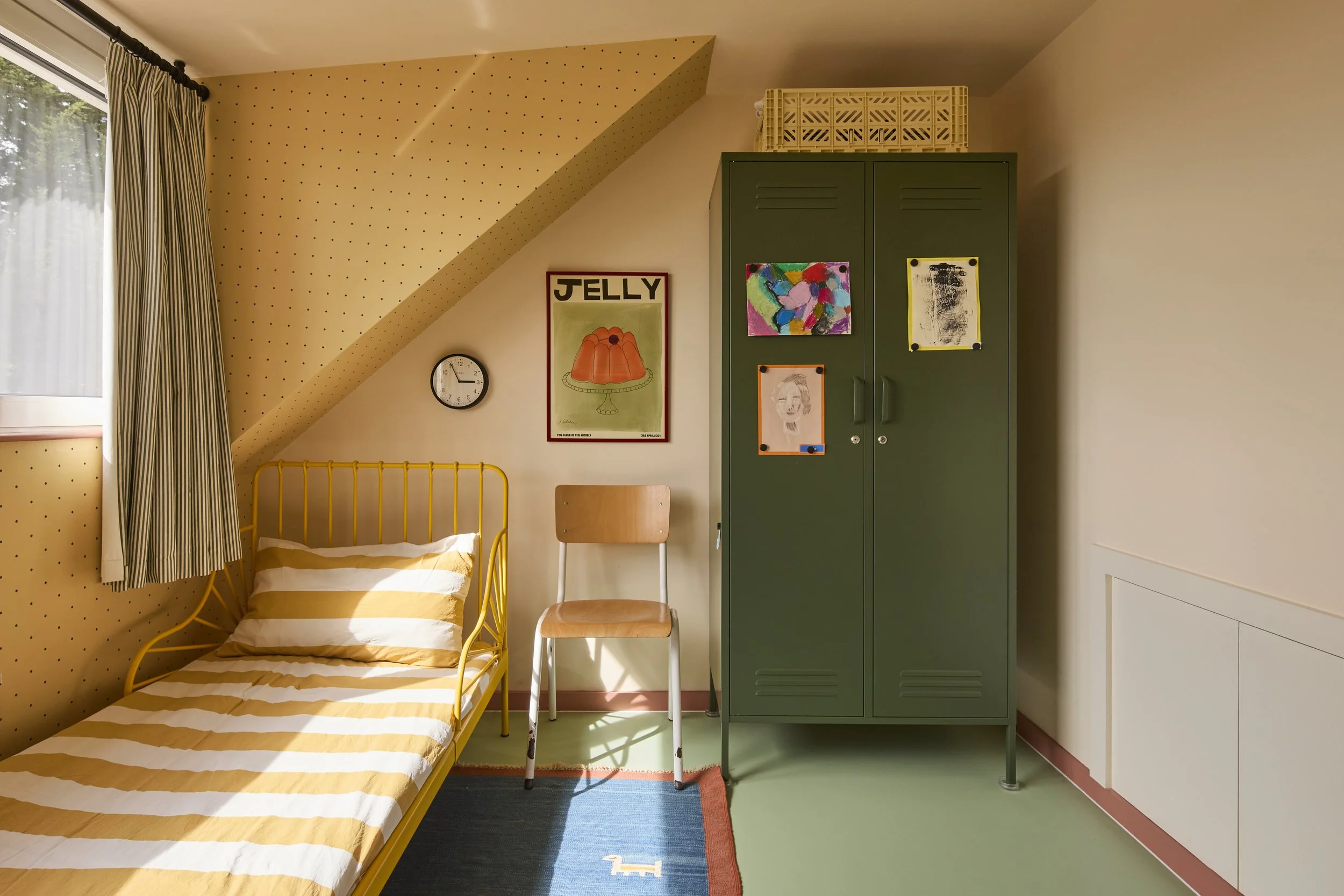
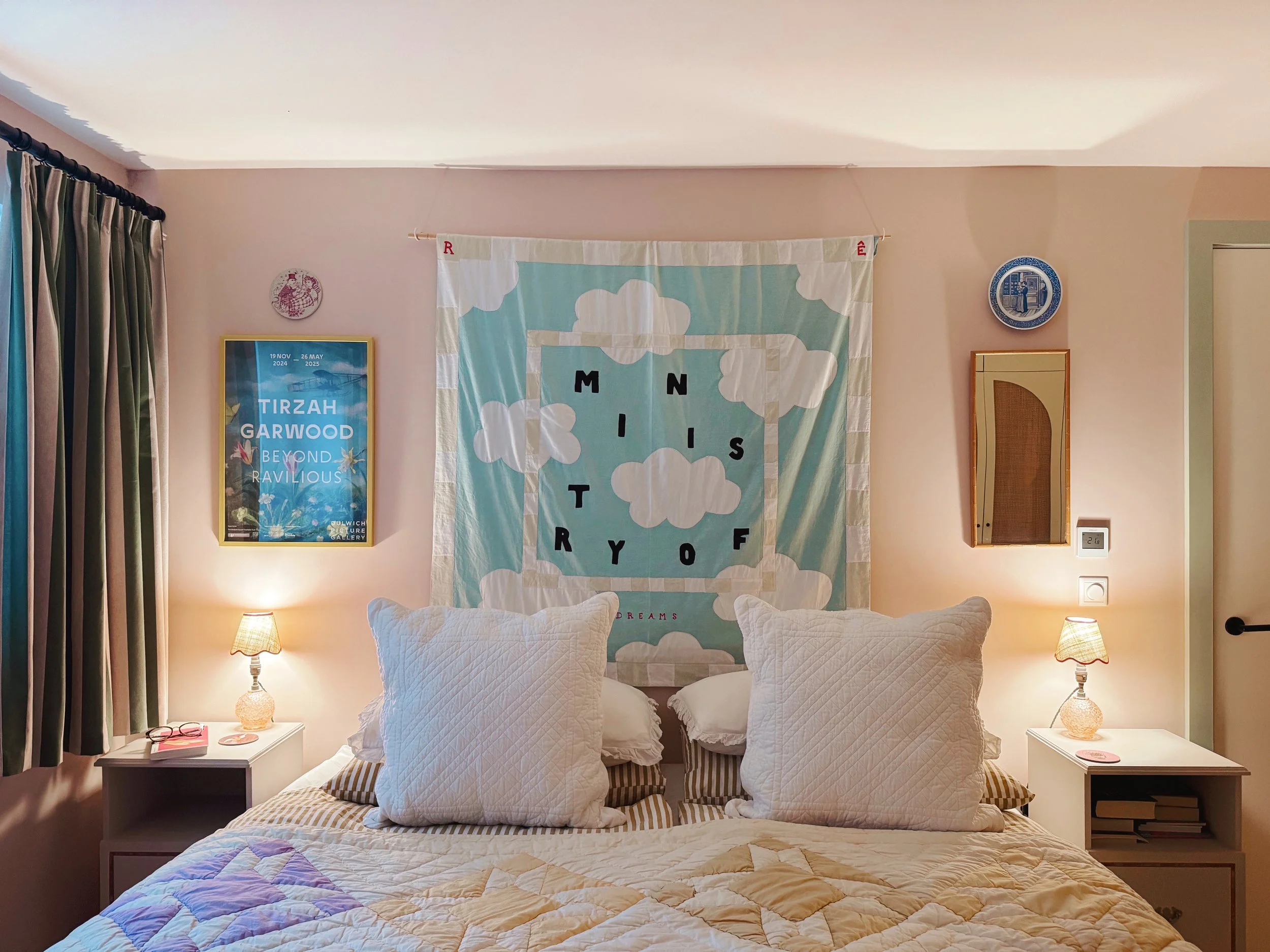
Inside, classic mid-century pieces sit naturally alongside contemporary ones, giving the home a collected, eclectic but effortless feel. Bespoke upholstery, colourful handmade ceramics and vintage film posters add personality and surprises at every turn, creating spaces that feel loved and lived-in, expressive and joyful, rather than overly curated.
Beyond its now striking Danish-inspired black exterior, The Black House is warm and instantly welcoming—a relaxed, sun-washed retreat to welcome you home every day and put a smile on your face. With its thoughtful palette of muted sun-kissed colours with warm undertones, tactile materials, pretty patterns and Scandinavian influence, the home now celebrates its mid-century heritage without being overwhelmed by it, embracing creativity and capturing the gentle, light-filled spirit that first drew Huma in.